LEED v5 EBO+M A New Era for Energy, Emissions, and Equity in Buildings
The U.S Green Building Council (USGBC) officially launched LEED v5 at the end of April, and while each version of LEED brings change, v5 marks a particularly sharp shift in structure, strategy, and priorities. Here are the top things we think you should know.
Written by Brandi Amantea LEED GA, BREEAM, Fitwel Ambassador, Active Score AP Director
Adjusted Structure and Scoring
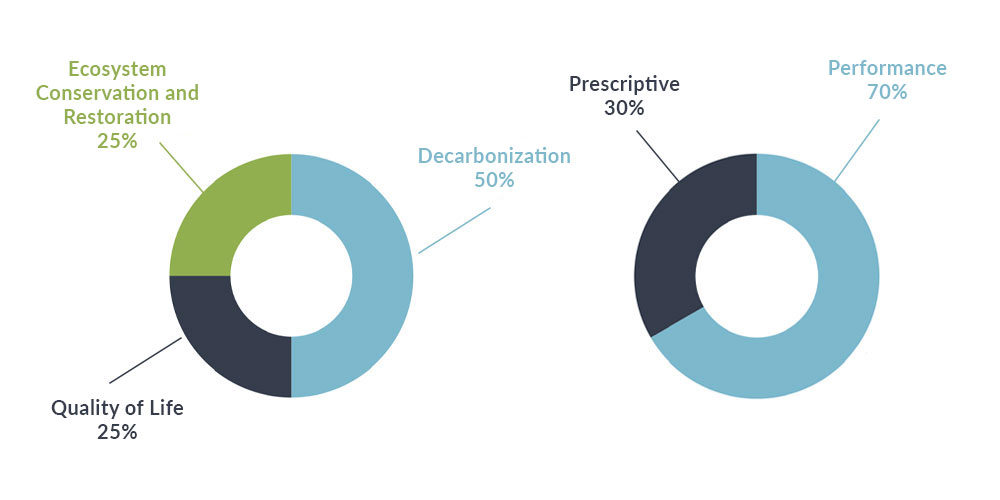
LEED v5 continues the trend toward performance based scoring and deemphasizes prescriptive based scoring. Credits can now be grouped into three impact categories:
Decarbonization – 50%
Quality of Life – 25%
Ecosystem Conservation and Restoration – 25%
In total, 80% of scoring is based on actual performance, while just 20% is linked to policy.
ENERGY STAR Score
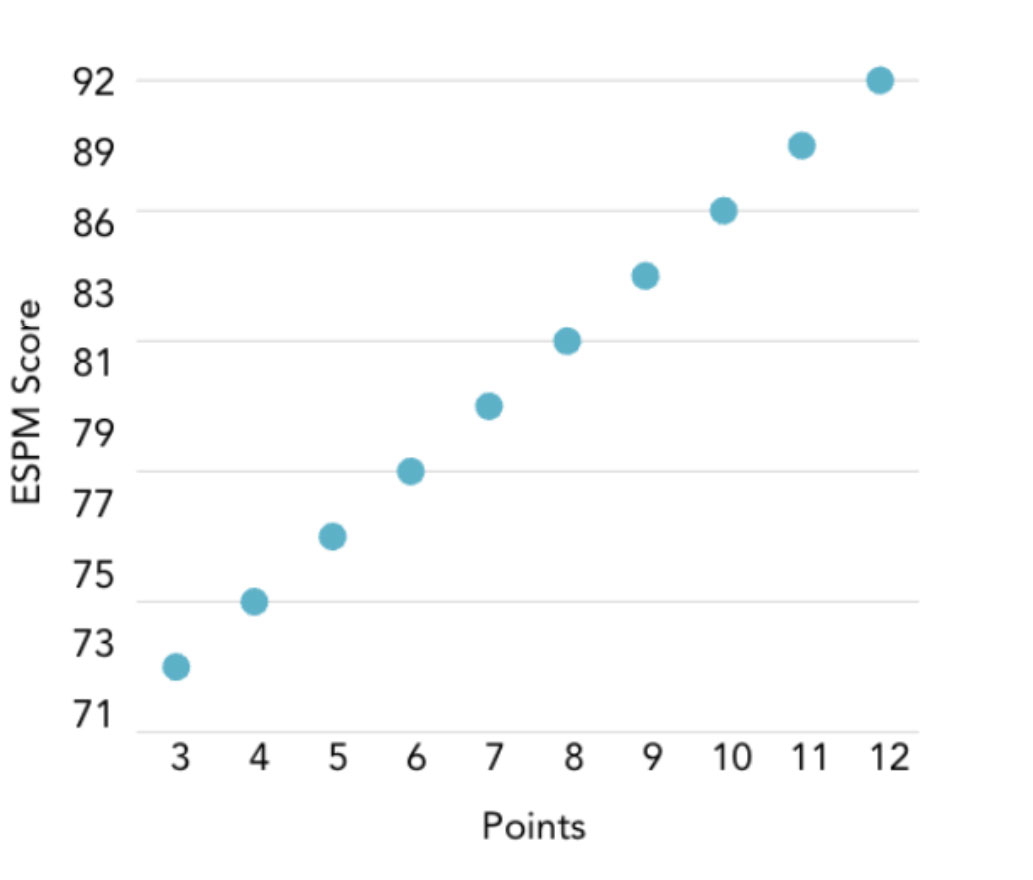
All projects that are eligible to achieve an ENERGY STAR Score must now reach a minimum score of 60 as a prerequisite for certification. Additional Points can be achieved on a sliding scale based on score.
Projects with a score of 69-70 will earn an additional two points and projects with scores 92 or greater can earn up to 12 additional points.
MinimumOccupancy
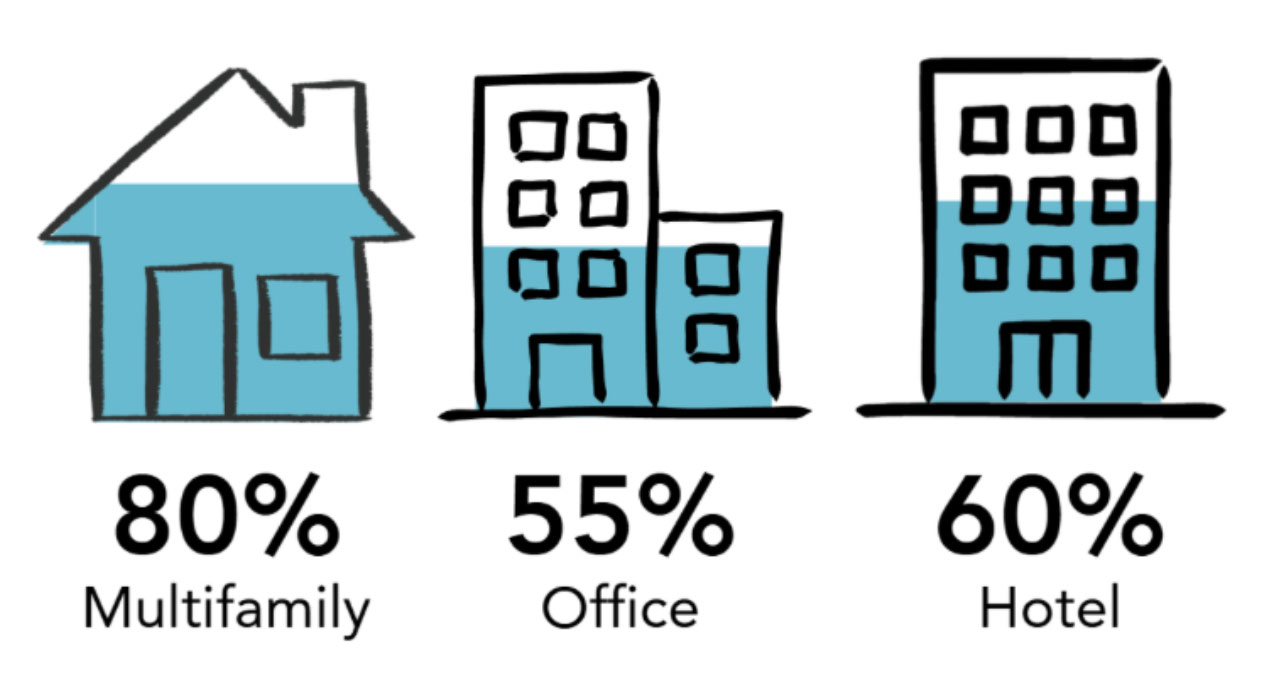
Minimum occupancy thresholds for ENERGY STAR now apply to properties certifying under LEED v5. Most properties will need to have at least 30 hours of operations per week and have the following minimum occupancy rates:
Office: 55% occupancy
Multifamily: 80% of units leased or sold
Hotel: 60% of rooms occupied daily
Changes to Achieving Platinum
Platinum has always been the pinnacle of LEED certification, but under v5, the bar is higher and more clearly defined. To achieve Platinum, projects must meet a separate set of elevated minimum requirements:
High Energy Efficiency
Achieve a minimum ENERGY STAR Score of 79.
Properties not eligible to achieve an ENERGY STAR Score will need to demonstrate efficiency by achieving at least a 28% lower EUI than the median for your property type.
Low Operational Emissions
Projects will need to reduce emissions from onsite combustion through a combination of:
Achieve the ENERGY STAR NextGen Target or 40% reduction in onsite combustion emissions below the target for your property type. (This is your scope 1)
Procurement of Renewable Energy and / or achieve 30% reduction in GHG emissions below the target emissions for your property type. (This is your scope 1 and 2)
Future Emissions Planning
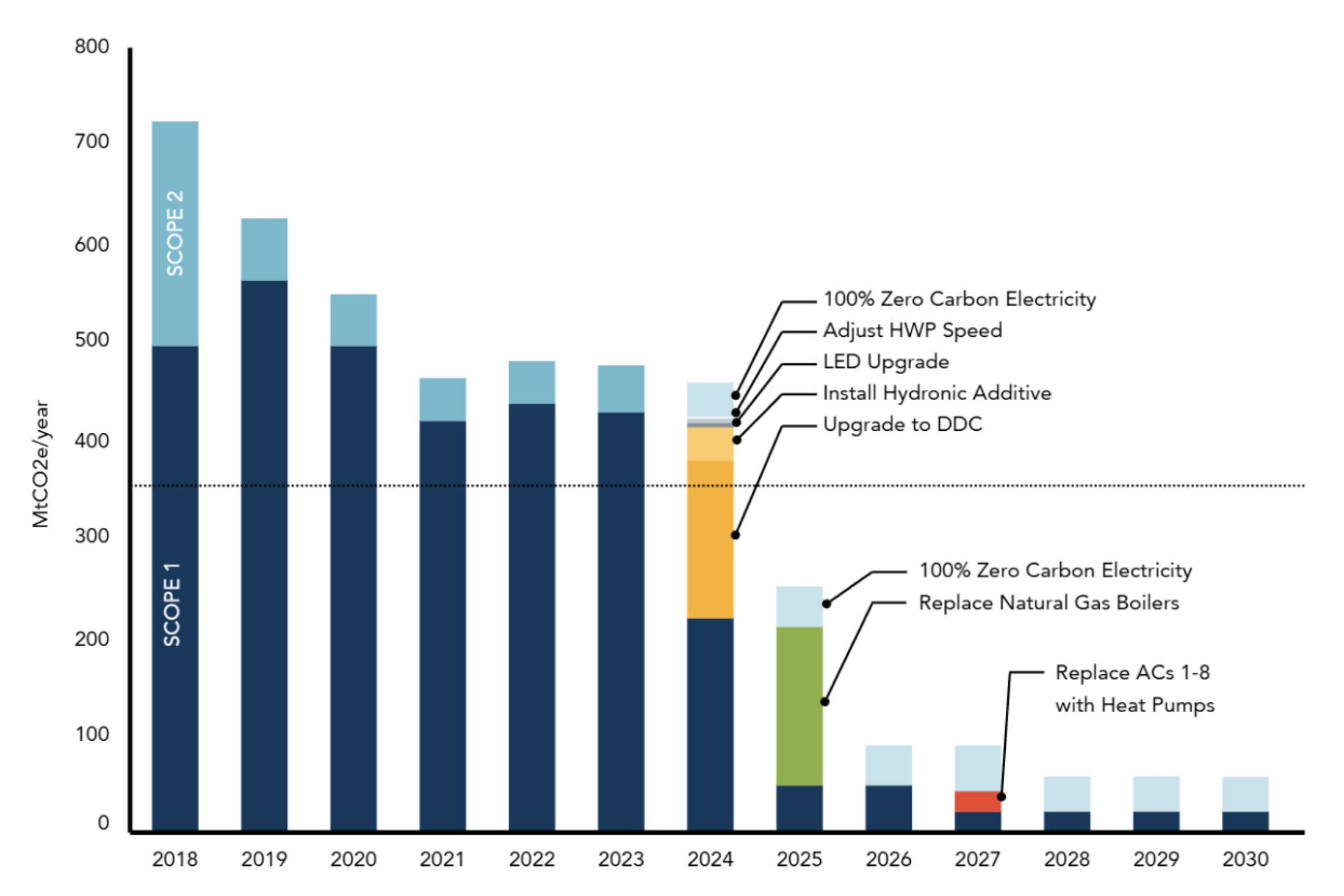
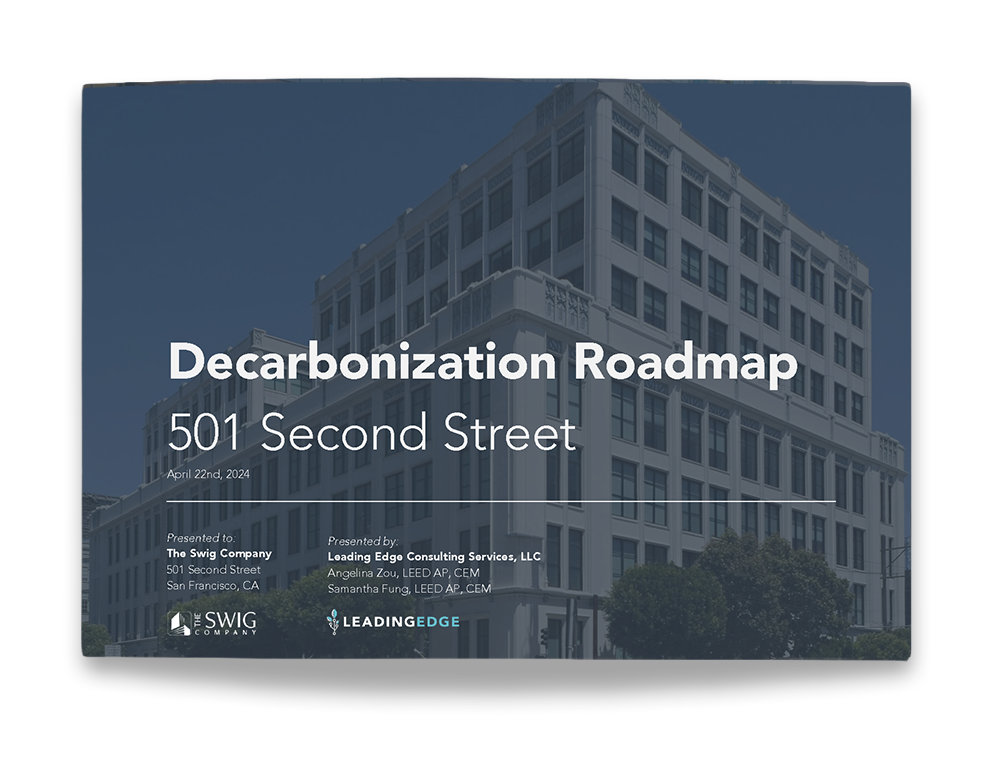
Projects will be required to either create Strategic Decarbonization Plans or demonstrate carbon neutrality and top performance under the Energy Efficiency credits. While electrification is not technically stated as a requirement for buildings to achieve Platinum, the push for decarbonization and low to no onsite combustion means that electrification provides a more streamlined pathway to achieving Platinum. Below is an excerpt from one of our Decarbonation roadmaps for a mid-size office building in San Francisco. This project is targeting to not only increase efficiency but also go 100 electric!
These signal a shift: Platinum is no longer just about achieving high scores- it’s about understanding and meeting foundational decarbonization benchmarks.
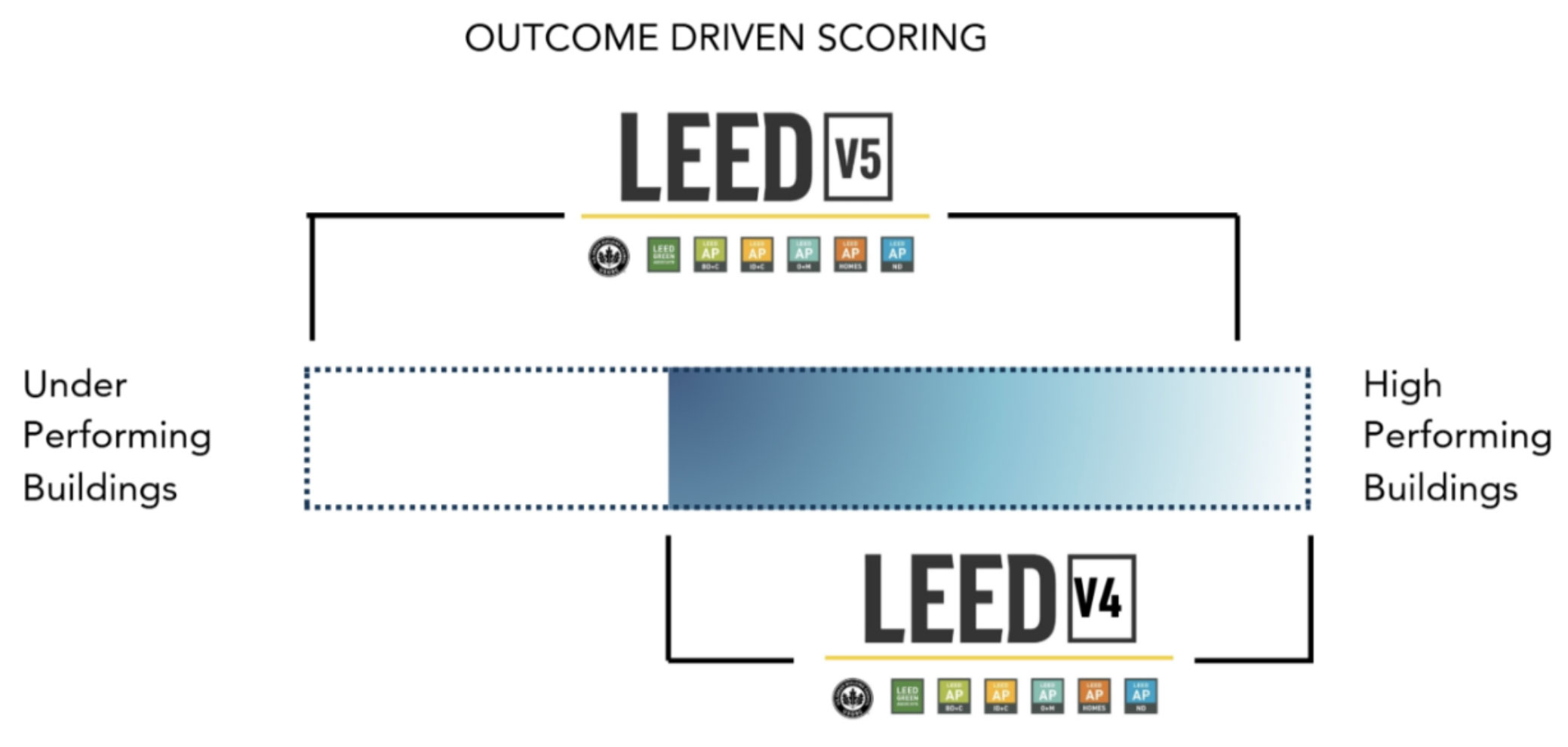
Lower Barriers to Entry LEED v5 is redefining what it means to be a LEED certified building. While v4 pushed buildings to prioritize prescriptive strategies such as ventilation, occupant comfort, and design and operations, v5 prioritizes outcomes by focusing on measurable building performance, quality of life, and resilience.
This new system makes certification more accessible for low performing buildings, or “High ESG Transition Potential Investments” (EnviroSustain). Case studies show that buildings that have been unable to meet previous minimum standards can now achieve Certified or Silver under v5.
This doesn’t mean LEED is lowering its standards. Instead, it’s lowering the barrier to entry- encouraging progress for a wider range of our existing building stock while keeping emissions reduction and energy efficiency front and center.
Multiple case studies under v5 proved that buildings that historically could not meet minimum requirements under previous versions, can now achieve Certified and Silver levels of certification. These changes open the door for more buildings to achieve LEED, while still prioritizing forward progress in lowering greenhouse gas emissions and improving energy efficiency- two key aspects that have been at the heart of LEED from inception.
Tools for Projecting LEED v5 Energy Scores
ENERGY STAR Portfolio Manager – Targets – NextGen and Emissions
Desktop and Operational Audits Audits that focus on dialing in property use details, building automation settings, and identifying how building operations impact efficiency and EUI will be key to streamlining a path for certification.
Carbon Accounting and Strategic Planning Having a base understanding of your property’s current carbon emissions and impacts will provide more insight into potential scoring and where your property will align amongst its peers.
Important Dates, Fees, and Final Thoughts
LEED v4.1 registration will sunset in April 2026. Project teams registering under v4.1 will have five years from the time of registration to complete certification.
USGBC Fees will remain consistent between LEED v4.1 and v5. Registration and Certification fees will remain the same between v4.1 and v5. No updates have been announced regarding recertification under v4.1 or specific sunsetting dates for existing v4.1 projects.
LEED updates will now follow a 5-year cycle, aligning more closely with broader industry trends and allowing for more predictable planning.
Final Thoughts
We see LEED v5 on par with the green building industry and market shifts. While some changes- such as strong emphasis on electrification and decarbonization- may feel like a leap, others, like quality of life and resilience feel overdue.
As the curve increases and utility grids find ways to support electrification, it’s likely that Gold certifications will soon join Platinum in representing the high performers. These changes remind us that inaction comes at a cost. Investing in progress now will save (us) in the long run.
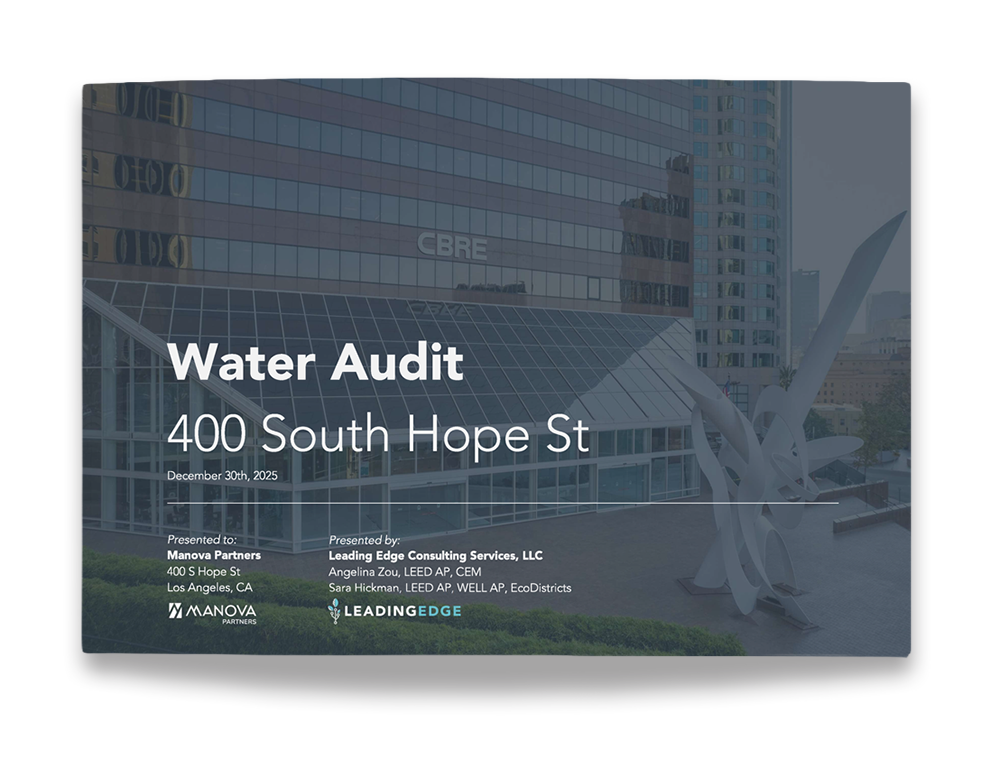
Leading Edge is available to support all of your high performance building needs. Reach out to us for sample Decarbonization Roadmaps, Water Assessments and Waste Reduction Strategies.